Before Your Surgery

Your pre-operative appointment is your final opportunity to review your surgical plan with Dr. Graw before your procedure day. She will go over every detail, address any questions, and provide your aftercare instructions and prescription medications.

Please take time to read your procedure consent form in advance and write down any questions you'd like to discuss. Any required pre-operative lab work or medical clearances must be completed at least 7 days before surgery.

In the weeks leading up to your facelift:

  • Stop all nicotine and cannabis use, including cigarettes, vaping, and patches, at least 4 weeks before and after surgery and 4 weeks post-surgery. The act of smoking severely restricts circulation and healing, and can cause serious wound complications, including incision separation and worse scarring. Secondhand smoke should be avoided as well.
  • Discontinue blood thinners, aspirin, ibuprofen, and supplements such as fish oil, vitamin E, and St. John's Wort for at least 2 weeks prior to, unless otherwise instructed by Dr. Graw.
  • Eat a nutritious, protein-rich diet and stay well-hydrated to give your body the best foundation for healing.
  • Plan your home recovery space thoughtfully. Set up a sleeping area that keeps your head elevated — extra pillows or a wedge pillow work well — and stock up on easy, nourishing meals.

Arrange for a trusted person to drive you to and from surgery and to stay with you for at least the first night following your procedure.

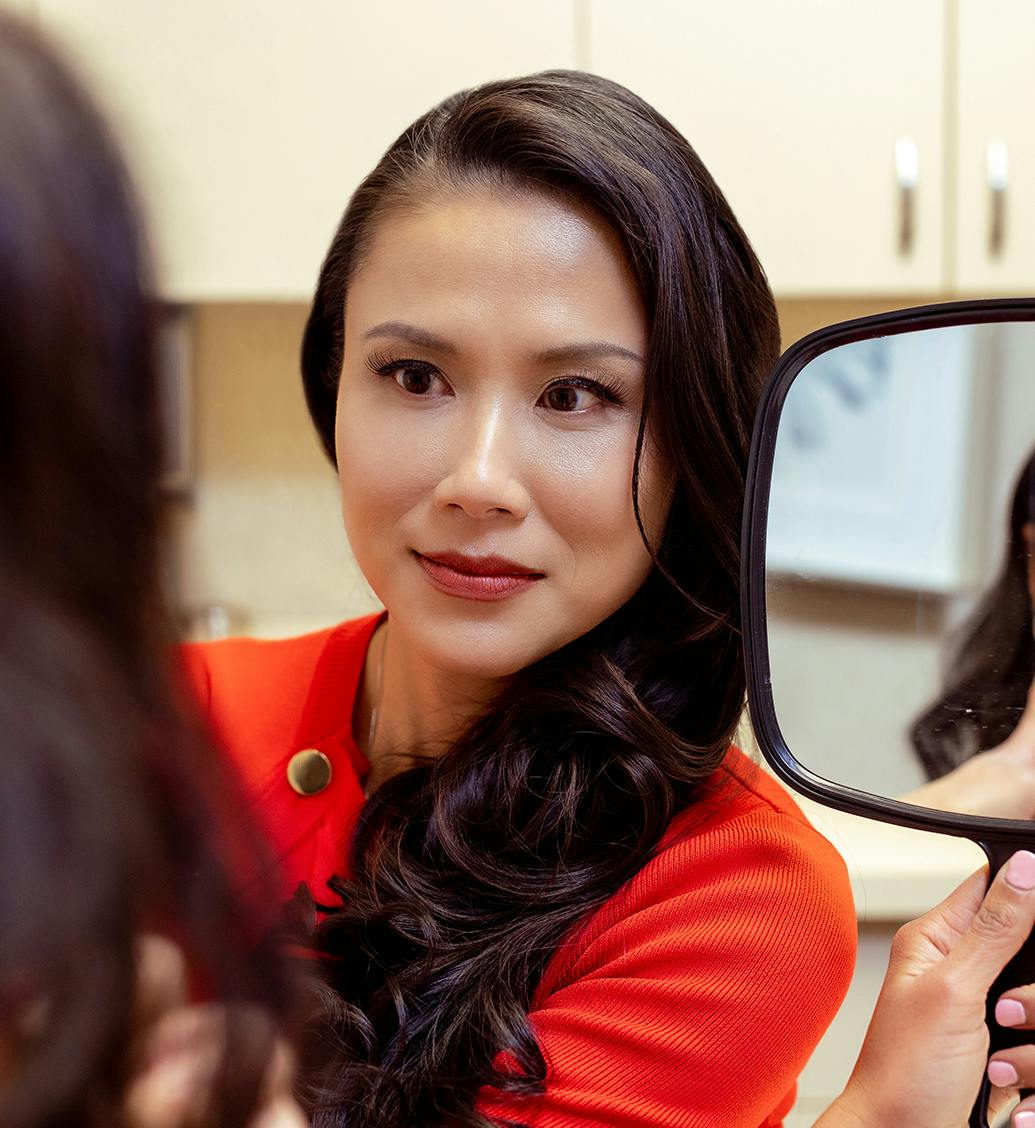
Dr. Graw with a patient who is looking in the mirror

The Day of Your Surgery

On the morning of your facelift, shower with soap and water. Do not apply makeup, skincare products, or perfume. Remove all jewelry and leave valuables at home. A confirmed designated driver is required. You will not be permitted to have surgery without one.

After you arrive, you will meet the anesthesia team and Dr. Graw's surgical staff. Dr. Graw will mark the treatment areas and review the plan with you one final time before surgery begins. A facelift is performed under general anesthesia. Incisions will be dressed or bandaged before you are taken to recovery. Most patients go home the same day once they have been cleared by the care team.

After Your Surgery

Some swelling, bruising, and tightness following a facelift are a natural and expected part of the healing process. Keeping your head elevated at all times, including during sleep, is one of the most effective ways to minimize swelling early on. Avoid turning your head sharply or applying any pressure to the face or neck area.

Dr. Graw will provide detailed instructions regarding wound care, drain management (if applicable), and medication use at your pre-operative appointment. Pain is manageable with prescribed medication, take doses as directed, and do not wait until discomfort becomes severe to take the next dose.

During your recovery, please keep the following in mind:

  • Avoid strenuous exercise, bending at the waist, and heavy lifting for at least 4 weeks following surgery.
  • Do not expose your incisions to direct sunlight. Broad-spectrum SPF and protective clothing are essential as healing progresses.
  • Refrain from driving or making important decisions while taking narcotic pain medication.
  • Attend every scheduled follow-up appointment — Dr. Graw personally monitors her facelift patients throughout recovery to ensure optimal healing and beautiful, lasting results.

Most patients return to light social activities within 2–3 weeks, with swelling and residual bruising continuing to resolve over the following months. The refined, elegant results of your facelift will emerge progressively and fully reveal themselves as healing completes.

Background media

Questions? Dr. Graw's Team Is Here

Dr. Grace Graw and the entire Graw Beauty team are deeply invested in your care, not just in the operating room, but throughout every stage of your recovery. Questions, concerns, and check-ins are always welcome. If you notice unexpected symptoms, fever, or anything that doesn't feel right, contact our office right away.

Ready to take the first step? Schedule your private consultation with Dr. Grace Graw today.

Logo media

Facelift Surgery FAQs

When can I wash and style my hair after a facelift?

Is it safe to color or chemically treat my hair after surgery?

Will I experience numbness or changes in sensation after my facelift?

When can I begin wearing makeup to cover bruising?

Is hair loss or thinning around the incisions normal?

How soon can I travel or fly after my facelift?

How long does it take to see my final facelift results?

What can I do to maintain my facelift results long-term?

When can I wash and style my hair after a facelift?

Most patients can gently wash their hair within a few days of surgery, though Dr. Graw will provide specific guidance based on the placement of your incisions. You should avoid heat styling tools near the incision areas until fully healed.

Is it safe to color or chemically treat my hair after surgery?

Hair coloring and chemical treatments should be postponed for at least 4–6 weeks following your facelift to avoid irritating healing incision sites. Dr. Graw will confirm the appropriate timeline at your follow-up appointments.

Will I experience numbness or changes in sensation after my facelift?

Temporary numbness, tingling, or altered sensation around the face, ears, and neck is very common after a facelift and is a normal part of the nerve healing process. Sensation typically returns gradually over several weeks to months following surgery.

When can I begin wearing makeup to cover bruising?

In most cases, patients are cleared to apply makeup over healed areas within 1–2 weeks following surgery, though you should avoid applying anything directly over incision lines until they have fully closed. Dr. Graw will confirm the right timing for you at your post-operative visits.

Is hair loss or thinning around the incisions normal?

Some patients notice temporary hair thinning near incision sites, which is generally a short-term response to the trauma of surgery. Hair typically regrows within a few months, and Dr. Graw uses meticulous technique to minimize any disruption to the hairline.

How soon can I travel or fly after my facelift?

Most patients should wait at least 2–3 weeks before flying or engaging in extended travel following a facelift. Dr. Graw will assess your healing at follow-up and advise you on when travel is safe for your specific recovery.

How long does it take to see my final facelift results?

While significant improvement is visible within the first few weeks, final results typically emerge at the 3–6 month mark once all residual swelling has fully resolved. The outcome continues to refine subtly over time, revealing the natural, elegant rejuvenation Dr. Graw is known for.

What can I do to maintain my facelift results long-term?

Protecting your skin from sun exposure, following a consistent medical-grade skincare routine, staying hydrated, and maintaining a stable weight all contribute to preserving your results. Dr. Graw and the Graw Beauty team are happy to recommend a personalized skincare regimen to extend the longevity of your outcome.

Contact us media
Accessibility: If you are vision-impaired or have some other impairment covered by the Americans with Disabilities Act or a similar law, and you wish to discuss potential accommodations related to using this website, please contact our Accessibility Manager at (650) 262-3540.
Contact Us