Before Your Surgery

Your pre-operative appointment is an important opportunity to review your surgical plan with Dr. Graw, ask any final questions, and pick up your post-operative prescriptions.

Please read through your procedure consent form before this visit. Lab work or medical clearances, if required, must be completed at least 7 days before your procedure date.

To prepare for a safe and successful surgery, do the following:

  • Discontinue blood-thinning medications, supplements, and herbal products, including aspirin, ibuprofen, fish oil, and vitamin E, at least 2 weeks prior to your procedure.
  • Avoid smoking, vaping, and all nicotine and cannabis products for a minimum of 4 weeks before surgery and 4 weeks post-surgery. The act of smoking slows healing, increases infection risk, and can negatively impact your results.
  • Arrive with a clean face on the day of surgery, no makeup, creams, or contact lenses. Arrange to wear glasses in the days following your procedure.
  • Designate a trusted family member or friend to drive you home and stay with you the first evening after surgery.

Prepare a comfortable recovery space at home with extra pillows to keep your head elevated, a supply of cold compresses, and easy access to your medications and essentials.

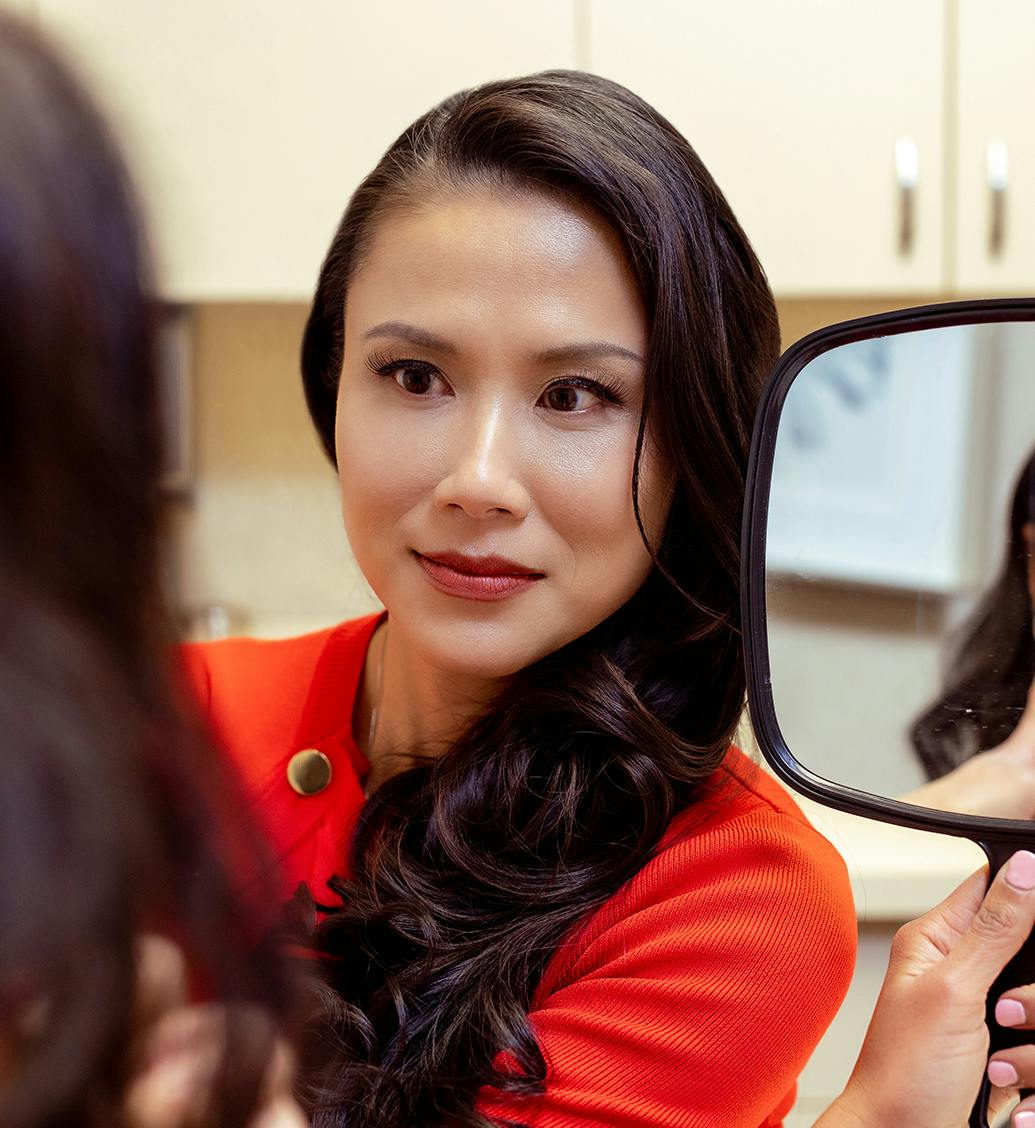
Dr. Graw with a patient who is looking in the mirror

The Day of Your Surgery

Shower with soap and water the morning of your procedure. Do not apply makeup, moisturizer, or any products around the eye area. Remove contact lenses and leave jewelry and valuables at home. A confirmed designated driver is required; a rideshare does not qualify.

After checking in, you will be introduced to the anesthesia team and Dr. Graw's surgical staff. Dr. Graw will review the surgical markings with you prior to beginning. Eyelid surgery is typically performed under local anesthesia with sedation and is an outpatient procedure, meaning you will return home the same day.

After Your Surgery

Some degree of swelling, bruising, and mild discomfort around the eyes is completely normal following blepharoplasty and expected. Keeping your head elevated, even while sleeping, significantly helps reduce swelling in the early days of healing.

Dr. Graw will prescribe medications to manage discomfort and, in some cases, antibiotic eye drops or ointment to protect the treatment area. Use these exactly as directed. Gently applied cold compresses (never with direct pressure) can also help soothe the area in the first 48 hours.

A few key guidelines during your recovery:

  • Avoid rubbing or touching your eyes, even as they begin to feel better.
  • Refrain from wearing contact lenses until Dr. Graw gives you the go-ahead — typically around 2 weeks post-op.
  • Protect your eyes from sun exposure with dark sunglasses when outdoors.
  • Hold off on strenuous exercise, bending, and heavy lifting for at least 2 weeks or as directed.

Most patients feel comfortable returning to light daily activities within 7–10 days, with residual swelling continuing to resolve over the following weeks. Your final results will emerge beautifully as healing progresses.

Background media

Questions? Dr. Graw's Team Is Here

Dr. Grace Graw and the Graw Beauty team are committed to being accessible and attentive throughout your entire recovery. If you have questions at any stage of your healing, don't hesitate to reach out. Should you experience unusual pain, vision changes, or signs of infection, contact our office immediately.

To begin your journey toward refreshed, naturally rejuvenated eyes, schedule a consultation with Dr. Graw today.

Logo media

Eyelid Surgery FAQs

When can I wear makeup again after blepharoplasty?

Will I experience dry eyes or irritation after surgery?

Is it normal for my eyes to feel tight or look uneven during healing?

Will my stitches need to be removed, or are they dissolvable?

How long should I avoid screens and reading after surgery?

Can blepharoplasty affect my vision?

When can I start sleeping on my side again?

How long do the results of eyelid surgery last?

When can I wear makeup again after blepharoplasty?

Most patients are cleared to resume wearing eye makeup approximately 2 weeks after surgery, once the incisions have sufficiently healed. Dr. Graw will confirm the right timing for you at your follow-up appointment.

Will I experience dry eyes or irritation after surgery?

Some temporary dryness, tearing, or light sensitivity is common in the weeks following eyelid surgery as the eyes adjust to their new position. Dr. Graw may recommend lubricating eye drops to keep your eyes comfortable during this phase.

Is it normal for my eyes to feel tight or look uneven during healing?

Mild asymmetry and a feeling of tightness are both normal in the early stages of recovery and typically resolve as swelling subsides. Final results take several weeks to fully emerge, and Dr. Graw will monitor your progress closely at each follow-up visit.

Will my stitches need to be removed, or are they dissolvable?

Depending on your procedure, Dr. Graw may use either dissolvable or removable sutures — she will let you know which applies to you. If removal is needed, it typically occurs within 5–7 days at a follow-up appointment.

How long should I avoid screens and reading after surgery?

Limiting screen time and reading for the first few days after surgery helps reduce eye strain and supports comfortable healing. Most patients are able to gradually return to normal screen use within one week, as tolerated.

Can blepharoplasty affect my vision?

Temporary blurry vision is common immediately after surgery due to swelling and any lubricating ointment applied during the procedure. If you experience significant or persistent vision changes, contact Dr. Graw's office right away.

When can I start sleeping on my side again?

For the first 1–2 weeks, it is best to sleep on your back with your head elevated to minimize swelling and avoid placing pressure on the treatment area. Dr. Graw will let you know when it is safe to return to your preferred sleep position.

How long do the results of eyelid surgery last?

Results from blepharoplasty are long-lasting — upper eyelid results typically last 5–7 years or more, while lower eyelid results can be permanent in many cases. Factors such as sun exposure, skin care habits, and natural aging will influence how your results evolve over time.

Contact us media
Accessibility: If you are vision-impaired or have some other impairment covered by the Americans with Disabilities Act or a similar law, and you wish to discuss potential accommodations related to using this website, please contact our Accessibility Manager at (650) 262-3540.
Contact Us